X2 Wireless

We offer wireless smart sensors that can detect Smoke, Carbon Monoxide (CO) and Water. It also measures temperature, humidity, air quality and provides real-time and actionable insights.

Learn More

Cyber Security

Lab1969 offers an open source VPN solution using OpenVPN version 3.x together with the OpenSSL libraries version 3.x that is validated for FIPS 140-3.

Learn More

Content Map AI

Our sensors can be found in thousands of apartments, homes, and businesses. These sensors provide data we use to drive development of our analysis engine.
The result? A complete overview of your property, 365 days a year, fully automatically

Learn More

Renewable Energy

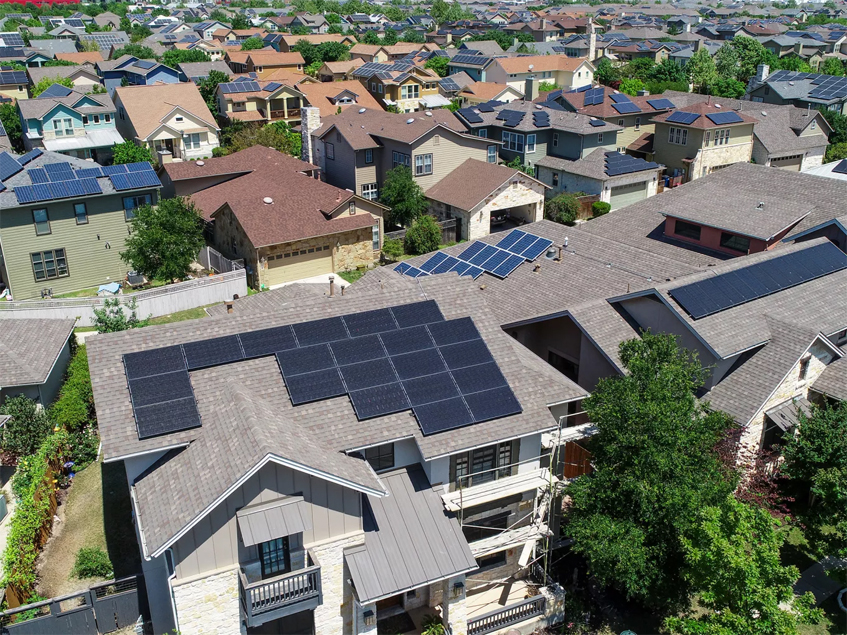
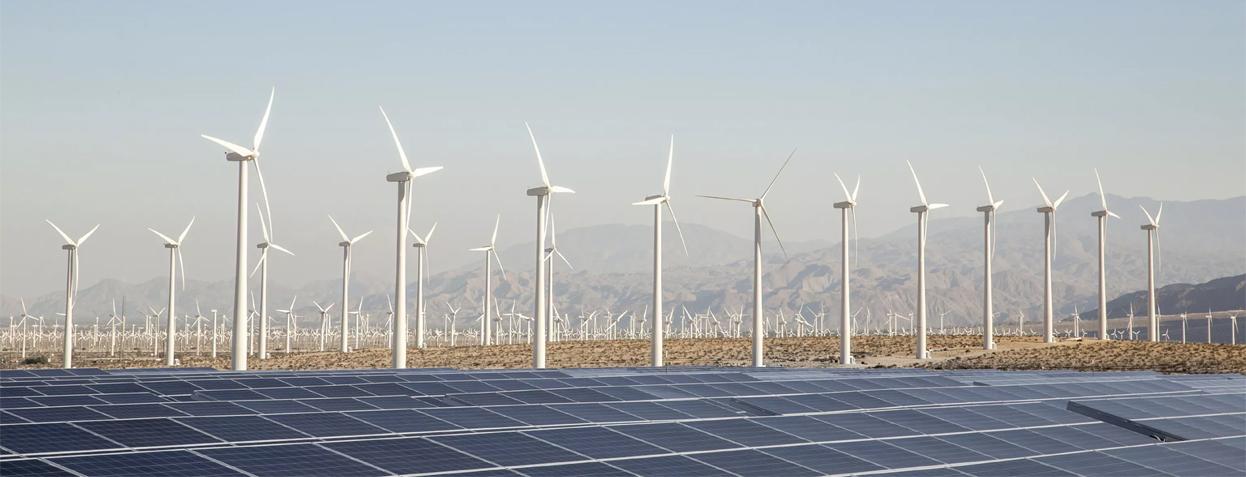
Renewable energy comes from unlimited, naturally replenished resources, such as the sun, tides, and wind. Renewable energy can be used for electricity generation, space and water heating and cooling, and transportation.
Learn More

solar energy

What is renewable energy?

Renewable energy, often referred to as clean energy, comes from natural sources or processes that are constantly replenished. For example, sunlight and wind keep shining and blowing, even if their availability depends on time and weather.

While renewable energy is often thought of as a new technology, harnessing nature’s power has long been used for heating, transportation, lighting, and more. Wind has powered boats to sail the seas and windmills to grind grain. The sun has provided warmth during the day and helped kindle fires to last into the evening. But over the past 500 years or so, humans increasingly turned to cheaper, dirtier energy sources, such as coal and fracked gas.

renewable energy sources

We’ve come a long way from old-fashioned windmills. Today, turbines as tall as skyscrapers—with turbines nearly as wide in diameter—stand at attention around the world. Wind energy turns a turbine’s blades, which feeds an electric generator and produces electricity.

Wind, which accounts for 9.2 percent of U.S. electricity generation, has become one of the cheapest energy sources in the country. Top wind power states include California, Iowa, Kansas, Oklahoma, and Texas, though turbines can be placed anywhere with high wind speeds—such as hilltops and open plains—or even offshore in open water.